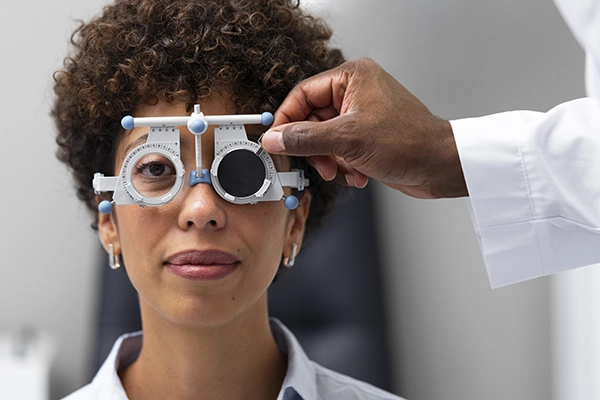
Vision insurance is often misunderstood, but it plays an important role in maintaining your eye health. Whether you need a routine check-up or treatment for an eye injury, understanding your coverage options is key to managing both your health and your expenses.
At its core, vision insurance helps cover the cost of:
Routine eye exams
Prescription eyeglasses and lenses
Contact lenses
Discounts on corrective procedures like LASIK and PRK
Most plans also include coverage for one pair of glasses or contacts per year. Vision insurance can be purchased on its own or added to an existing health insurance plan.
What’s Covered – and What’s Not?
Vision insurance typically does not cover treatment for eye diseases or injuries — these are usually handled by your health insurance.
Routine vision care
Like exams for nearsightedness or astigmatism, are covered by vision plans.
Medical issues
Such as conjunctivitis or diabetic eye problems are typically covered by health insurance, especially if diagnosed during or after a routine exam.
Who Provides Vision Care?
Vision insurance plans often contract with networks of eye care providers. PPO (Preferred Provider Organization) plans let you choose from in-network providers for the best rates, or go out-of-network at a higher cost. Providers typically include optometrists and ophthalmologists. Some networks also offer access to surgeons for procedures like LASIK.
Do You Need Vision Insurance?
You may benefit from vision insurance if:
You or a family member wears glasses or contacts
You need regular eye exams and prescription updates
If you don’t wear corrective lenses, your regular health insurance may still cover occasional eye exams, especially when symptoms or other health concerns arise.
Protect Your Vision with Guidice Insurance Agency
At Guidice Insurance Agency, we offer a range of vision insurance options tailored to your needs. With our plans, you can enjoy peace of mind knowing your eye care is covered — from routine checkups to corrective procedures.